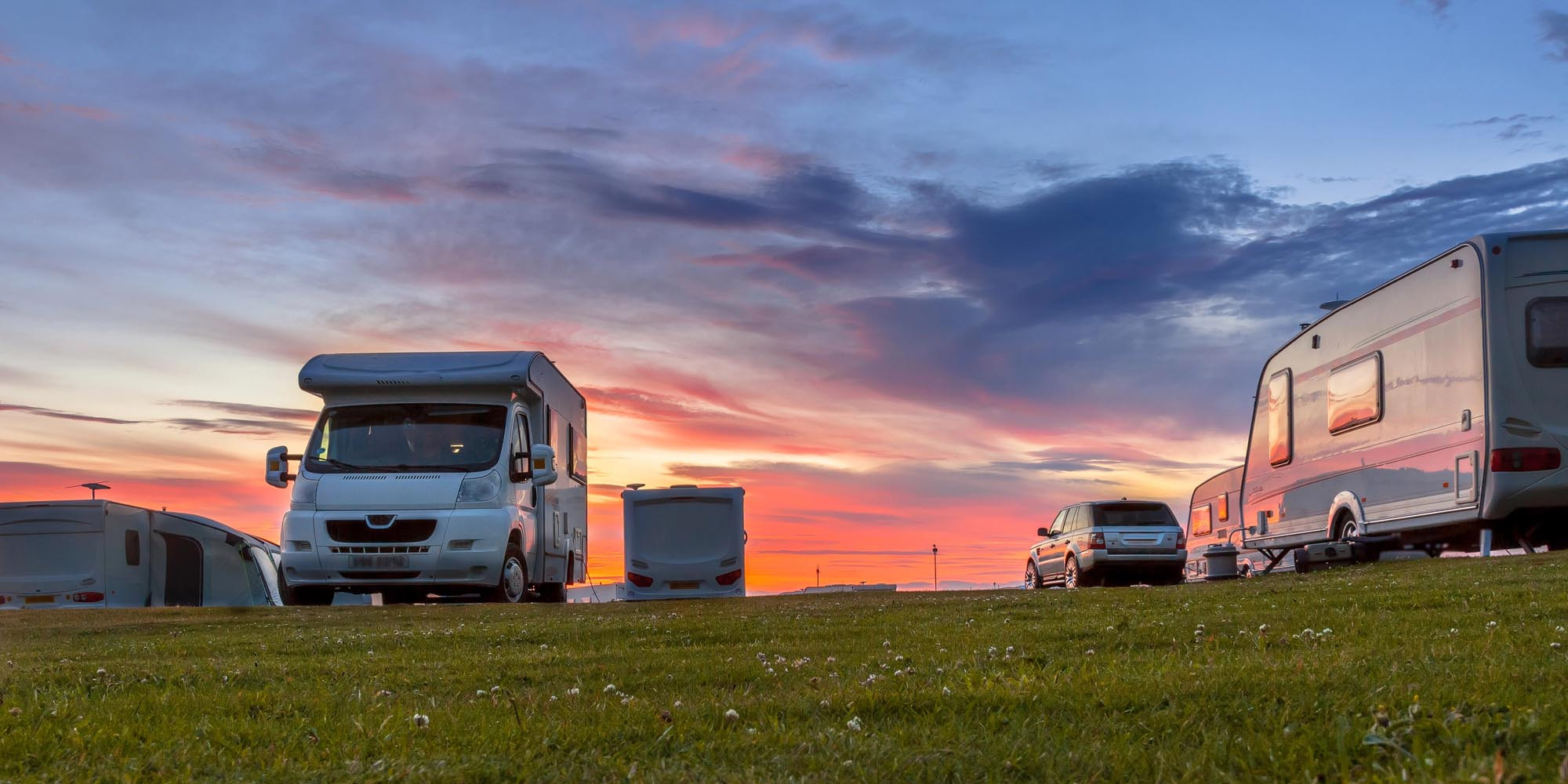
There’s something magical about exploring Scotland from behind the wheel of a campervan. The freedom to wake up beside a glittering loch, brew your morning coffee with views of mist-shrouded mountains, and set off on winding roads that reveal ancient castles and pristine beaches around every bend. Janette and I have spent countless days discovering this remarkable country at our own pace, and we’ve come to believe that travelling by campervan is one of the finest ways to experience all that Scotland has to offer.

But with the joy of campervan travel comes responsibility. Scotland’s popularity as a motorhome destination has grown enormously in recent years, and with it, the need for visitors to travel thoughtfully and considerately. In this guide, we’ll share the best road trips Scotland has to offer, practical advice for planning your adventure, and crucially, how to explore this beautiful country whilst respecting its landscapes, wildlife, and local communities.
The Best Scottish Road Trips by Campervan
The North Coast 500 (NC500)
Often dubbed ‘Scotland’s Route 66’, the North Coast 500 is undoubtedly the country’s most famous road trip. This 516-mile circular route begins and ends at Inverness Castle, taking travellers through some of the most dramatic and unspoilt landscapes in the British Isles. Expect rugged coastlines, sweeping beaches that wouldn’t look out of place in the Caribbean, ancient castles perched on clifftops, and mountain passes that will have you catching your breath at every turn.

The route weaves along the west coast through Applecross (including the legendary Bealach na Bà pass), north to Durness, along the wild north coast past John o’Groats, and back south through the east coast villages. Key highlights include the stunning beaches at Achmelvich and Sandwood Bay, the dramatic Smoo Cave near Durness, Dunrobin Castle, and the iconic Duncansby Stacks.
Recommended duration: 7–14 days to fully appreciate the route
Best for: Dramatic coastal scenery, castles, wildlife spotting, whisky distilleries
Campervan considerations: Be aware that some roads are narrow and single-track. The Bealach na Bà is particularly challenging for larger motorhomes and best avoided if you’re in a vehicle over 7 metres. Book campsites well in advance during peak season (June–August).
The Isle of Skye
The Isle of Skye needs little introduction. Its otherworldly landscapes have graced countless films, photographs, and travel brochures, and for good reason. From the iconic Old Man of Storr and the ethereal Fairy Pools to the dramatic Quiraing and the colourful houses of Portree, Skye offers an embarrassment of riches for the campervan traveller.

The island is connected to the mainland by the Skye Bridge (free to cross), making it easily accessible. Beyond the famous attractions, take time to explore the quieter corners – the Coral Beach near Dunvegan, the dramatic Neist Point lighthouse, and the charming fishing villages of the Sleat peninsula.
Recommended duration: 3–5 days minimum
Best for: Dramatic volcanic scenery, walking and hiking, photography, castles
Campervan considerations: Skye can be exceptionally busy in summer, with parking at popular attractions often overflowing by mid-morning. Arrive early at spots like the Fairy Pools and the Old Man of Storr. Many roads are single-track; confidence with passing places is essential.
The South West Coastal 300 (SWC300)
If the NC500 is Scotland’s blockbuster road trip, then the South West Coastal 300 is the charming indie film that deserves far more attention. This 300-mile route through Dumfries & Galloway and South Ayrshire offers a gentler, less crowded alternative whilst delivering scenery that’s every bit as stunning.

The route takes you to Scotland’s most southerly point at the Mull of Galloway, through the artistic town of Kirkcudbright, past the romantic ruins of Sweetheart Abbey, and into the Galloway Forest Park – the UK’s first Dark Sky Park. It’s a region of quiet beaches, rolling hills, and a surprisingly rich history.
Recommended duration: 4–7 days
Best for: Peaceful exploration, dark sky stargazing, Robert Burns heritage, cycling, quieter roads
Campervan considerations: Predominantly A and B roads make this an easier drive for larger vehicles. Fewer crowds mean more flexibility with campsite availability.
The North East 250 (NE250)
Whisky lovers, this one’s for you. The North East 250 winds through Speyside – home to the greatest concentration of whisky distilleries in Scotland – as well as the stunning Aberdeenshire coast and the foothills of the Cairngorms. Beginning in Aberdeen, this 250-mile route offers a wonderful mix of coastal drama, Highland scenery, and cultural experiences.
Highlights include the picturesque fishing villages of Pennan and Crovie, the dramatic Bow Fiddle Rock near Portknockie, the magnificent ruins of Elgin Cathedral, and of course, the countless distilleries where you can sample world-renowned single malts (designated driver permitting, of course!).
Recommended duration: 4–6 days
Best for: Whisky enthusiasts, coastal villages, Cairngorms scenery, castles, dolphins
Campervan considerations: Well-suited to motorhomes with predominantly wider roads. Good campsite infrastructure throughout the region.
The Argyll Coastal Route
Starting from Tarbet on Loch Lomond and finishing in Fort William, the Argyll Coastal Route is a romantic journey through what feels like a Scotland from another age. The route hugs sea lochs and coastal bays, passing through charming towns like Oban (the ‘Gateway to the Isles’) and Inveraray with its stunning castle.

The scenery alternates between tranquil water and soaring mountains, with opportunities for wildlife spotting, whisky tasting at Oban Distillery, and fresh seafood at countless harbourside restaurants. Castle Stalker, rising from a tidal islet, provides one of Scotland’s most iconic views.
Recommended duration: 3–5 days
Best for: Romantic scenery, seafood, whisky, sea loch views, island hopping opportunities
Campervan considerations: Can be combined with ferries to Mull or other islands for extended adventures. The route connects well with routes to Skye or the NC500.
Island Hopping: Arran, Mull, Islay & Beyond
Scotland’s islands offer some of the most rewarding campervan experiences. The Isle of Arran, often called ‘Scotland in Miniature’, can be reached by ferry from Ardrossan and offers mountains, beaches, castles, and distilleries in one compact package. The Isle of Mull provides quieter roads than Skye with equally stunning scenery, plus the opportunity to visit tiny Iona with its ancient abbey. For whisky pilgrims, Islay’s peaty drams are legendary.

Important: Book CalMac ferries well in advance, especially during summer months. Some smaller islands (such as Colonsay and Tiree) have limited infrastructure and may not be suitable for larger motorhomes.
Travelling Responsibly: How to Do It Right
The surge in campervan tourism has brought significant benefits to Scotland’s rural economy, with UK campervan visitors making an estimated 1.58 million trips and spending £355 million in 2022 alone. However, this growth has also created challenges for local communities and the environment. Travelling responsibly isn’t just about following rules – it’s about ensuring that the places we love remain wonderful for future visitors and, more importantly, for the people who call these places home.
Understanding Wild Camping Laws
There’s considerable confusion around wild camping in Scotland, so let’s be clear: whilst Scotland’s Land Reform Act 2003 permits wild camping on most unenclosed land, this right applies only to lightweight camping in tents, not to motorised vehicles. The Scottish Outdoor Access Code specifically excludes campervans and motorhomes from wild camping rights.

This means:
- Overnight parking in laybys, car parks, or roadside spots is generally not permitted without explicit permission
- Setting up camp (awnings, chairs, cooking outside) in non-designated areas is prohibited
- If you see ‘No Overnight Parking’ signs, you must respect them
- Some areas (particularly Loch Lomond & The Trossachs National Park) have additional bylaws requiring permits
The best approach? Use official campsites and designated motorhome overnight parking areas. These not only keep you legal but also provide essential facilities for waste disposal and fresh water.
The Highland Campervan & Motorhome Scheme
Launched in 2024, the Highland Council’s Campervan and Motorhome Scheme offers a brilliant solution for responsible travellers. For £40, you receive a seven-day pass granting access to 12 designated overnight parking locations along the NC500 route, plus free use of leisure centre showers. Locations include scenic spots like Dunnet Head, Ullapool, and Nairn Harbour.
This scheme directly supports the maintenance of facilities and sustainable tourism infrastructure. We strongly encourage all NC500 travellers to participate.
Respecting Local Communities
This is perhaps the most important aspect of responsible travel. The stunning landscapes you’ve come to see are someone’s home and workplace. Here’s how to be a good visitor:
- Support local businesses: Buy from local shops, eat in local cafes, and purchase fuel from rural filling stations. Your spending makes a genuine difference to remote communities.
- Don’t block access: Never park in passing places, across gateways, or where you might impede farm vehicles or emergency services.
- Be patient on narrow roads: Allow local traffic to pass. They’re going to work or school, not on holiday.
- Keep noise to a minimum: Especially in the evenings and near residential areas.
- Dispose of waste properly: Use designated chemical toilet disposal points – never empty waste tanks in nature or public toilets.
Caring for the Environment
- Leave no trace: Take all rubbish with you, including food waste and cigarette butts.
- Stick to hard surfaces: Avoid parking on soft ground, verges, or sensitive habitats like machair (the Hebridean coastal grassland).
- No fires or BBQs: Wildfire risk is a serious concern, particularly during dry periods. Use your campervan’s cooking facilities instead.
- Respect wildlife: Keep your distance from animals, keep dogs under control near livestock, and never feed wildlife.
- Use eco-friendly products: Choose biodegradable soaps and cleaning products.

Practical Tips for Your Scottish Campervan Adventure
Choosing the Right Vehicle
Scotland’s narrow roads, particularly in the Highlands and islands, favour smaller vehicles. We’d strongly recommend:
- A campervan under 6 metres for maximum flexibility
- Avoid anything over 7.5 metres if you plan to tackle mountain passes like the Bealach na Bà or the Quiraing road on Skye
- Ensure you’re comfortable reversing – you’ll need to use passing places frequently
Reputable hire companies based in Scotland include Scottish Tourer, Four Seasons Campers, Bunk Campers, and Spaceships. When hiring, check what’s included – bedding, cooking equipment, and insurance can add significantly to base prices.
When to Visit
- Peak season (June–August): Longest days, warmest weather, but also the busiest roads and most expensive prices. Book everything well in advance.
- Shoulder season (May, September–October): Often our preferred time. Fewer crowds, beautiful light for photography, autumn colours or spring wildflowers. Some attractions may have reduced hours.
- Off-season (November–April): Quietest roads and lowest prices, but many campsites close, daylight hours are limited, and weather can be challenging. Not recommended for first-timers.
Essential Kit
- Waterproof clothing and layers – Scotland’s weather is famously changeable
- Midge repellent (essential from May–September, especially on the west coast)
- A good paper map as a backup – phone signal is patchy in many areas
- Torch or headtorch
- First aid kit
- Reusable water bottle
- Binoculars for wildlife spotting
Top Tips
- Fuel up regularly: Petrol stations can be few and far between in the Highlands. Never let your tank drop below a quarter.
- Download offline maps: Mobile signal is unreliable in many scenic areas.
- Start early: Popular car parks fill quickly in summer. Arriving at attractions before 9 am makes a huge difference.
- Allow extra time: Distances in Scotland are deceptive. Winding single-track roads take much longer than the satnav suggests.
- Use apps wisely: Park4Night is useful for finding overnight spots, but remember that popular locations shown on the app fill up fast.

Frequently Asked Questions
Can I wild camp in a campervan in Scotland?
No. Scotland’s wild camping rights under the Land Reform Act apply only to tents, not motorised vehicles. Campervans and motorhomes should use official campsites or designated overnight parking areas.
Do I need a special licence to drive a campervan?
Most campervans under 3.5 tonnes can be driven on a standard UK driving licence. Larger motorhomes may require additional entitlements – check your licence categories before hiring.
Can I take a campervan to Scotland’s islands?
Yes, CalMac ferries accept campervans and motorhomes on most routes. However, book well in advance (especially for summer travel) and check ferry capacity for your vehicle size. Some smaller islands have limited infrastructure for larger vehicles.
Where can I empty my chemical toilet?
Most campsites have chemical disposal points. Some service stations and public facilities also offer this – look for designated ‘Elsan points’. Never dispose of chemical toilet waste in public toilets or the environment.
Is Scotland’s NC500 suitable for large motorhomes?
The NC500 can be driven in larger motorhomes, but some sections (particularly the Bealach na Bà to Applecross) are challenging or unsuitable for vehicles over 7 metres. Plan your route carefully and consider alternative roads where necessary.
Are dogs allowed in campervans?
Most hire companies allow dogs (sometimes for an additional fee). When travelling, keep dogs under control near livestock and on leads where requested. Many attractions and some beaches have seasonal dog restrictions.
What are the speed limits for campervans?
For vehicles under 3.05 tonnes unladen weight: 60mph on single carriageways, 70mph on dual carriageways and motorways. Heavier motorhomes: 50mph on single carriageways, 60mph on dual carriageways, 70mph on motorways. Always drive to the conditions – narrow Highland roads often require much slower speeds.
Key Information
- Location: Scotland, United Kingdom
- Main starting points: Edinburgh, Glasgow, Inverness, Aberdeen
- Ferry services: CalMac Ferries (www.calmac.co.uk)
- Highland Motorhome Scheme: Available through Highland Council (www.highland.gov.uk)
- Access code: www.outdooraccess-scotland.scot
- Low Emission Zones: Currently enforced in Edinburgh, Glasgow, Aberdeen, and Dundee – check vehicle compliance before entering city centres
What Else is Nearby?
Scotland’s road trips connect beautifully, allowing you to combine multiple routes into an extended adventure:
- Glencoe: The dramatic glen lying between Fort William and Loch Lomond offers some of Scotland’s most spectacular mountain scenery and is easily added to the Argyll Coastal Route or as a stop en route to Skye.
- Loch Ness: No Scottish adventure is complete without a visit to the famous loch. Urquhart Castle provides the classic viewpoint, and the drive along the loch’s shores is stunning.
- Cairngorms National Park: Britain’s largest national park offers excellent walking, wildlife (including reindeer!), and connects well with the NE250.
- The Outer Hebrides: For those seeking true remoteness, ferries from Ullapool and Skye take you to Lewis and Harris, where some of Scotland’s most beautiful beaches await.
- Edinburgh & Glasgow: Scotland’s cities offer culture, history, and excellent food – perfect bookends to a campervan adventure.
Final Thoughts
A campervan adventure through Scotland is a truly special experience. The freedom to explore at your own pace, to wake up in wild and beautiful places, and to follow roads that wind through some of Europe’s most dramatic landscapes is something that stays with you long after you’ve returned home.
But with that freedom comes responsibility. The places we visit rely on us to treat them with care and respect. By using official campsites, supporting local businesses, following the Scottish Outdoor Access Code, and leaving no trace of our visits, we help ensure that Scotland’s wild beauty remains intact for generations to come.

Janette and I have found that travelling thoughtfully actually enhances the experience. There’s a satisfaction in knowing you’ve been a good visitor, and you’ll find that local people are much more welcoming when they see you’re behaving responsibly.
So pack your waterproofs, plan your route, and prepare for an adventure you’ll never forget. Scotland is waiting – and it’s more magnificent than you can imagine.
All information was correct at the time of writing, please check things like entry costs and opening times before you arrive.

Leave a comment below