
Scotland's Master of Intelligence and National Security
Sir David Bruce Omand stands as one of Scotland's most distinguished contributions to British intelligence and national security. Born on 15 April 1947 in the Anniesland suburb of Glasgow, Omand would rise from his middle-class Scottish roots to become the architect of modern British counter-terrorism strategy and one of the world's foremost experts on intelligence analysis. His career, spanning over three decades at the heart of Britain's security apparatus, has shaped how democracies defend themselves in an age of terrorism, cyber warfare, and digital subversion.
Omand's early life in post-war Glasgow provided an unlikely launching pad for a career in the secretive world of intelligence. His father, Bruce Omand, operated an advertising agency in the city and served as a Justice of the Peace, instilling in young David a sense of public service and civic duty. A familial connection to the intelligence world already existed through an aunt who worked for MI5, Britain's domestic security service, perhaps planting the first seeds of interest in this shadowy profession.
Education and Early Promise
Omand's intellectual abilities were evident from an early age. He attended the prestigious Glasgow Academy, one of Scotland's finest independent schools, where he excelled academically. Founded in 1845, the Academy had a long tradition of producing distinguished alumni, and Omand would prove to be amongst its most notable graduates. His success at Glasgow Academy earned him a foundation scholarship to Corpus Christi College, Cambridge, where he read economics.
At Cambridge in the late 1960s, Omand distinguished himself as a scholar of considerable promise. The university's rigorous intellectual environment honed his analytical abilities, preparing him for the complex challenges that lay ahead. His economics training would prove invaluable throughout his career, providing a framework for understanding resource allocation, strategic decision-making, and the economic dimensions of national security.
What makes Omand's educational journey particularly remarkable is that it did not end with his Cambridge degree. In 2008, at the age of 61 and whilst already a distinguished professor at King's College London, he completed a Bachelor of Science degree with first-class honours in mathematics and theoretical physics through the Open University. This extraordinary achievement demonstrated not only his formidable intellectual capacity but also his belief in lifelong learning and his determination to deepen his understanding of the technical foundations of signals intelligence and cyber security.
Into the Secret World: GCHQ and Early Career
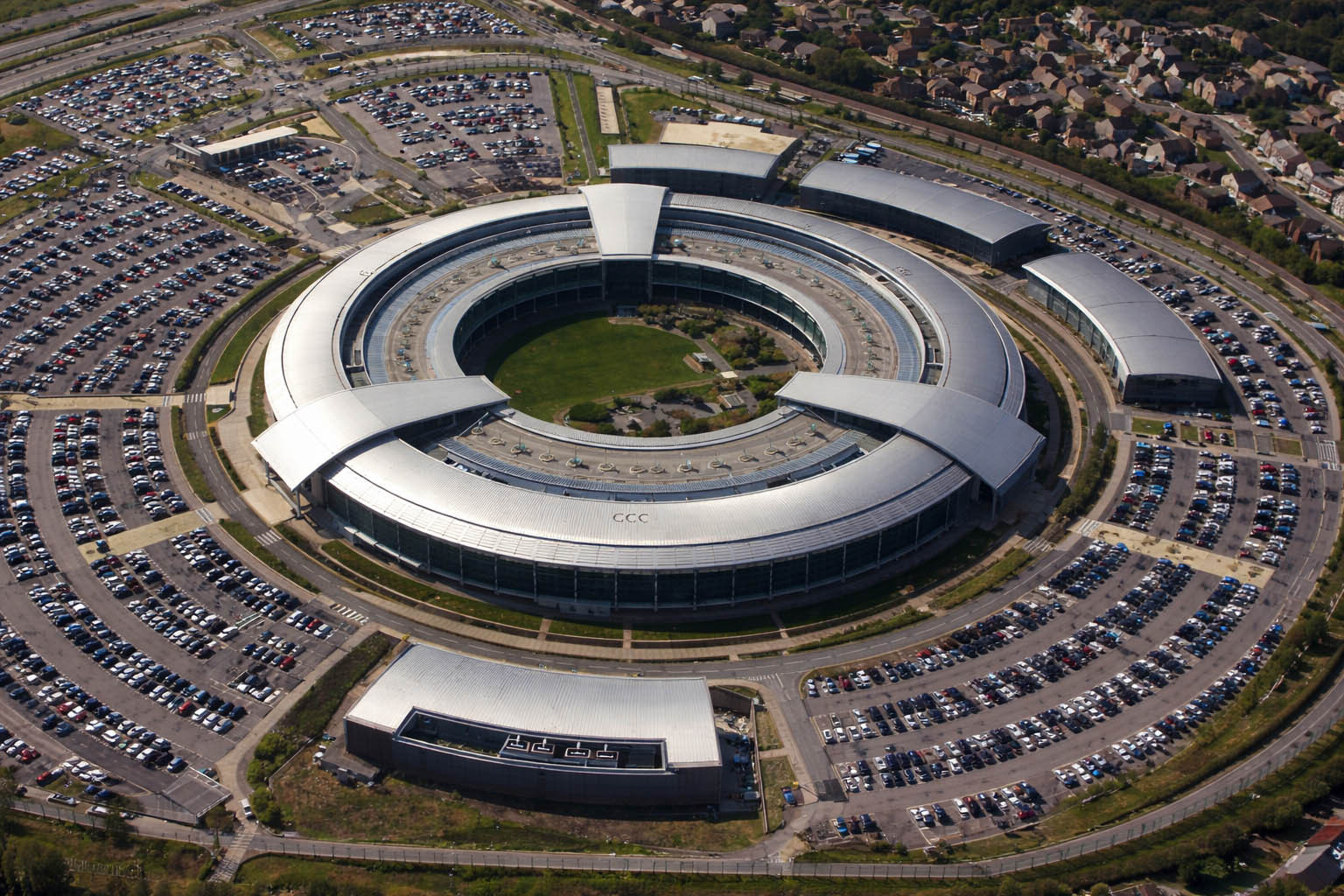
In 1969, fresh from Cambridge, Omand entered the British Civil Service through one of its most discreet recruitment processes. He joined the Government Communications Headquarters (GCHQ), Britain's signals intelligence and code-breaking agency based in Cheltenham. At that time, GCHQ's very existence remained officially secret, shrouded in the same secrecy that had surrounded its wartime predecessor at Bletchley Park, where Alan Turing and his colleagues had broken the German Enigma codes.
Omand's entrance examination to GCHQ was notoriously difficult - the agency's second puzzle book would later include questions from that era, giving the public a glimpse of just how intellectually demanding the selection process was. In his final interview, Omand found himself engaged in a fierce debate with Colonel Hugh O'Donel Alexander, the international chess master who had worked alongside Turing at Bletchley Park and had become GCHQ's chief cryptanalyst. They disagreed about the relative utility of mathematical modelling and econometrics - a debate that Omand later admitted he felt he had lost, though it clearly did not prevent his appointment.
During his early years at GCHQ, Omand immersed himself in the technical and operational aspects of signals intelligence during the height of the Cold War. This was an era when Britain and its Western allies engaged in an invisible struggle with the Soviet Union, fought not with conventional armies but through the interception and decryption of communications, the analysis of electronic signals, and the patient accumulation of intelligence that might provide warning of Soviet intentions.
The Ministry of Defence and the Falklands Crisis
In 1970, Omand transferred to the Ministry of Defence, beginning a 15-year period that would see him hold progressively senior positions in defence policy and strategy. His analytical skills and deep understanding of intelligence matters made him an invaluable asset as Britain grappled with complex defence questions during the final decades of the Cold War.
Omand's most testing moment in this period came in 1982, when he was serving as Principal Private Secretary to the Secretary of State for Defence, Michael Heseltine. On 2 April 1982, Argentine forces invaded the Falkland Islands, a British overseas territory in the South Atlantic. The invasion triggered one of the most dramatic episodes in modern British military history and placed Omand at the centre of the government's response.
As Principal Private Secretary during the Falklands War, Omand coordinated communications and support for the Defence Secretary amid the conflict's rapid and often unpredictable developments. The ten-week campaign to retake the islands involved assembling and deploying a naval task force across 8,000 miles of ocean, conducting amphibious landings in hostile conditions, and fighting a land campaign in the harsh South Atlantic winter. Throughout this crisis, Omand witnessed firsthand how intelligence, military capability, and political decision-making intersected under the most intense pressure.
The experience of the Falklands War would profoundly shape Omand's thinking about crisis management, the fog of war, and the critical importance of robust intelligence in supporting military operations. He later observed that the conflict reinforced fundamental lessons about the need for resilience, adaptability, and clear communication when facing unexpected challenges.
NATO and the End of the Cold War
Following his service during the Falklands conflict, Omand moved to Brussels in 1985, serving for three years as the UK Defence Counsellor to NATO. This posting came during a fascinating period in European history, as the Cold War entered its final phase. During these years, Omand was particularly concerned with the reshaping of Britain's long-term equipment programme and the recasting of British nuclear deterrence policy as the Soviet threat began to diminish.
He also played a significant role in shaping the British military contribution to restoring peace in the former Yugoslavia during the Bosnian War in the 1990s, as ethnic conflicts tore apart the country that had emerged from the ruins of the Second World War. These experiences in dealing with post-Cold War security challenges, including ethnic conflict, humanitarian crises, and peacekeeping operations, broadened Omand's understanding of the evolving nature of threats to international security.
Director of GCHQ: Return to Cheltenham
In 1996, Omand returned to where his career had begun, taking up the position of Director of GCHQ. This appointment represented not only a personal homecoming but also recognition of his unique combination of intelligence expertise and senior policy experience. His tenure, though relatively brief (1996-1997), came at a crucial moment in the agency's history as it adapted to the post-Cold War world and the emerging digital age.
When Omand first joined GCHQ in 1969, much of cryptography remained shrouded in official secrecy. By the time he returned as Director in 1995, the landscape had transformed dramatically. He later recalled devouring books like Bruce Schneier's "Applied Cryptography" - works that simply could not have existed during his early years at the agency. The opening up of previously classified subjects meant that GCHQ had to operate in a more transparent environment whilst still maintaining the secrecy essential to its operations.
As Director, Omand oversaw GCHQ's evolution from a Cold War signals intelligence agency focused primarily on the Soviet threat to a more versatile organisation capable of addressing diverse challenges including international terrorism, proliferation of weapons of mass destruction, serious organised crime, and the early stirrings of cyber threats.
Permanent Secretary at the Home Office
In 1997, Omand took up the position of Permanent Secretary at the Home Office, the most senior civil service role in the department responsible for immigration, policing, and internal security. This three-year period saw him grappling with the complex challenges of domestic security policy, police reform, and the criminal justice system. His tenure coincided with the early years of Tony Blair's Labour government, which had won a landslide election victory and brought ambitious reform agendas to all areas of government.
The Home Office role provided Omand with invaluable experience in managing one of the great departments of state and understanding the domestic dimension of national security. It was also during this period that he developed his thinking about the relationship between liberty and security - a tension that would become even more acute in the post-9/11 world.
In recognition of his distinguished service, Omand was appointed Knight Commander of the Order of the Bath (KCB) in the 2000 New Year Honours, entitling him to the prefix "Sir" and marking his formal entry into the senior ranks of the British establishment.
The First Security and Intelligence Coordinator: Architecting Britain's Response to Terrorism
The terrorist attacks of 11 September 2001 in the United States changed the world and transformed the practice of national security. In 2002, in direct response to these attacks, the British government created a new position: the Security and Intelligence Coordinator in the Cabinet Office. David Omand was appointed as the first person to hold this crucial post, making him directly accountable to the Prime Minister for the professional health and effectiveness of Britain's intelligence community.
Omand's mandate was sweeping and unprecedented. He was responsible for coordinating the work of Britain's intelligence agencies - the Secret Intelligence Service (MI6), the Security Service (MI5), GCHQ, and Defence Intelligence. He chaired the Joint Intelligence Committee, which provides intelligence assessments to government ministers. He was charged with developing the national counter-terrorism strategy and establishing what became known as "homeland security" - a new concept in British governance that emphasised resilience and prevention.
One of Omand's most significant and enduring achievements during this period was the development of CONTEST, the UK's comprehensive counter-terrorism strategy. Working with colleagues across government, he helped structure CONTEST around four distinct but interconnected pillars. "Pursue" focused on disrupting terrorist plots and bringing terrorists to justice. "Prevent" addressed the radicalisation that led individuals to support or commit acts of terrorism. "Protect" aimed to strengthen defences and reduce vulnerability to attack. "Prepare" focused on mitigating the impact of terrorist attacks that could not be prevented, through improved resilience and response capabilities.
This framework, first developed in early 2003, has proven remarkably durable. It remains the foundation of British counter-terrorism policy more than two decades later, having weathered changes of government and evolution in the nature of the terrorist threat. Its influence has extended far beyond Britain, with many other nations adopting similar frameworks for their own counter-terrorism strategies.
Omand's tenure as Security and Intelligence Coordinator also saw him involved in some of the most controversial episodes of the Blair era. He was among those who recommended that John Scarlett should head MI6, and he played a role in the aftermath of the David Kelly affair - the tragic case of the government weapons expert who took his own life after being identified as the source of a BBC report questioning the government's claims about Iraqi weapons of mass destruction. In 2010, Omand gave evidence to the Iraq Inquiry, explaining the intelligence community's role in the events leading up to the 2003 invasion of Iraq.
For his service as Security and Intelligence Coordinator, Omand was promoted to Knight Grand Cross of the Order of the Bath (GCB) in the 2004 Queen's Birthday Honours - the highest rank in this order of chivalry. He was formally installed in a ceremony at Westminster Abbey in July 2021, alongside other recipients of this distinguished honour.
Academic Contribution and Public Intellectual
When Omand retired from government service in 2005, he did not retreat into quiet retirement but instead embarked on what has become an extraordinarily productive second career as an academic and public intellectual. He became a Visiting Professor in the Department of War Studies at King's College London, where he has taught intelligence and counterterrorism to generations of students and government intelligence analysts.
Omand has also taught at Sciences Po in Paris and serves as a vice-president of the Royal United Services Institute, one of the world's oldest and most respected think tanks on defence and security matters. He is a member of the editorial board of the journal Intelligence and National Security and has become one of the most prominent commentators on intelligence and security issues in the media.
His academic work has been characterised by a determination to bridge the gap between practitioners and academics, between the secret world of intelligence and public understanding. In a 2019 interview, he reflected on how much had changed since his early days at GCHQ, when practitioners in the intelligence world had little interaction with academic research. He has worked consistently to encourage intelligence professionals to engage with academic literature and to make the world of intelligence studies more accessible to those working in the field.
Author and Thought Leader
Omand has written extensively on intelligence, security, and crisis management, producing four major books that have achieved both critical acclaim and popular success. "Securing the State" (2010) examined the evolution of British national security policy and made the case for integrated, intelligence-led approaches to counterterrorism. "Principled Spying: The Ethics of Secret Intelligence" (2018), co-authored with Professor Mark Phythian, explored the moral foundations of espionage and proposed an ethical framework for intelligence operations that balances necessity with proportionality and accountability.
His most widely read work, "How Spies Think: Ten Lessons in Intelligence" (2020), distils decades of experience in British intelligence into a structured approach to critical thinking. The book introduces the SEES model - Situational awareness, Explanation, Estimation, and Strategic horizons - as a framework for analysing complex problems under conditions of uncertainty. Former Home Secretary and Foreign Secretary Jack Straw described it as "a brilliant book by one of the UK's true polymaths" and praised its applicability far beyond the intelligence world.
The book has resonated with a wide audience because Omand makes the case that intelligence methods - systematic evidence gathering, rigorous analysis, explicit recognition of uncertainty, and awareness of cognitive biases - are valuable tools for anyone making important decisions. He argues that the analytical frameworks developed by intelligence agencies can help businesses, organisations, and individuals make better choices and avoid common thinking traps.
His most recent book, "How to Survive a Crisis: Lessons in Resilience and Avoiding Disaster" (2023), applies intelligence-derived methods to broader crisis response, categorising threats as either "slow-burn" or acute challenges and emphasising the importance of adaptive leadership in mitigating systemic vulnerabilities. Written in the wake of the COVID-19 pandemic, it draws on Omand's extensive experience in crisis management to offer practical guidance for surviving and learning from crises.
Defence of Intelligence Methods in the Digital Age
Omand has been a thoughtful and articulate defender of modern intelligence methods, particularly in the wake of Edward Snowden's 2013 revelations about the extent of signals intelligence collection by GCHQ and the US National Security Agency. He has argued that bulk data collection, when properly constrained by legal safeguards and oversight mechanisms, is both lawful and essential for protecting national security in the digital age.
His position is nuanced rather than absolutist. He acknowledges that modern counter-terrorism necessarily involves what he has called "breaking everyday moral rules" - searching through the communications and data of innocent people to identify potential threats. However, he insists that such intrusive activities must be subject to strict legal authorisation, independent oversight, and meaningful avenues for redress when mistakes occur. He has been a strong advocate for enhanced parliamentary oversight of intelligence activities, including through the Intelligence and Security Committee.
In 2013, defending Britain's intelligence relationship with the United States, Omand told BBC Radio 4: "We have the brains. They have the money. It's a collaboration that's worked very well." This frank acknowledgement of the asymmetry in the UK-US intelligence partnership reflected his pragmatic approach to international cooperation in intelligence matters.
Omand has also been at the forefront of thinking about social media intelligence (SOCMINT). In a influential 2012 report for the think tank Demos, he and his co-authors explored the opportunities and challenges posed by the vast amount of information people voluntarily share on social media platforms. They stressed the importance of distinguishing between non-intrusive open-source analysis and intrusive methods that require legal authorisation, recognising the blurred boundaries between public and private in online spaces.
Corporate and Advisory Roles
Beyond academia, Omand has held several corporate and advisory positions that have drawn on his expertise in defence and security. He has served as Senior Independent Director of Babcock International Group plc, a major British aerospace, defence and security company that provides complex engineering services. He has also worked as a non-executive director for Leonardo-Finmeccanica, an Italian defence contractor, and as an adviser to the Society of British Aerospace Companies.
Currently, he serves as a senior adviser to Paladin Capital Group, a global investment firm that specialises in the cybersecurity sector. These roles have kept him connected to the practical challenges facing the defence and security industries whilst providing insights into emerging technologies and threats.
Recognition and Honours
Throughout his career, Omand has received numerous honours and distinctions. Beyond his knighthood, he has been awarded honorary doctorates by both the University of Birmingham (2007) and the University of Glasgow, his home city's ancient university. He is an honorary Fellow of Corpus Christi College, Cambridge, his alma mater. He served a four-year term on the board of the Natural History Museum, London, beginning in 2006, demonstrating his wide-ranging interests beyond security and intelligence.
In 2009, following the controversy surrounding Professor David Nutt's dismissal as chair of the Advisory Council on the Misuse of Drugs, the Home Secretary asked Omand to carry out a review of the council's operations to ensure it was fulfilling its functions appropriately. This review reflected the high regard in which his judgment and integrity were held across government.
Personal Life
Omand married Angela Aske, from London, in August 1981. The couple had two children. He is a member of the Reform Club, one of London's distinguished gentlemen's clubs, which has historically been associated with the Liberal Party and progressive politics. Despite the demands of his career at the highest levels of government service, Omand maintained a reputation for thoughtfulness, courtesy, and intellectual rigour.
Legacy and Continuing Influence
Sir David Omand's contribution to British national security and the wider field of intelligence studies is difficult to overstate. As the architect of CONTEST, he created a framework for counter-terrorism that has proven its worth over more than two decades and influenced similar strategies around the world. His work in coordinating Britain's intelligence agencies after 9/11 helped build a more integrated and effective intelligence community capable of addressing the diverse threats of the 21st century.
As an academic and author, he has played a crucial role in demystifying intelligence work and making its methods accessible to broader audiences. His books have shown that the systematic thinking methods developed by intelligence agencies have applications far beyond national security, offering valuable tools for anyone facing complex decisions under uncertainty.
Perhaps most importantly, Omand has consistently engaged with the ethical dimensions of intelligence work. In an era when privacy concerns, surveillance capabilities, and security needs are in constant tension, he has made the case that it is possible to conduct intelligence operations that are both effective and principled. His framework for "principled spying" - emphasising legal authorisation, proper necessity, proportionality, and accountability - provides a moral compass for intelligence operations in democratic societies.
For Scotland, Sir David Omand represents a particular source of pride. From his upbringing in Glasgow and education at Glasgow Academy, he rose to the pinnacle of British public service, shaping national security policy at the highest levels. His intellectual achievements - including earning a first-class honours degree in mathematics and theoretical physics in his sixties - exemplify the Scottish tradition of valuing education and lifelong learning. His career demonstrates that Scots continue to play leading roles in protecting Britain and its democratic values, carrying forward a tradition of public service that stretches back through centuries of Scottish history.
Now in his late seventies, Sir David Omand continues to teach, write, and contribute to public debates on intelligence and security. His voice remains influential in discussions about how democracies should defend themselves against terrorism, cyber threats, and digital subversion whilst preserving the freedoms and values that make them worth defending. For a generation of students, intelligence professionals, and interested citizens, he has provided both the intellectual frameworks and the ethical principles necessary to navigate the complex security challenges of our time.


