
Hidden within the beautiful Duthie Park in Aberdeen lies one of Europe’s largest indoor gardens – a remarkable botanical treasure that offers visitors the chance to escape Scotland’s often harsh climate and step into a world of tropical warmth, exotic plants, and tranquil water features. The David Welch Winter Gardens, named after Aberdeen’s legendary parks director, houses an extraordinary collection of plants from across the globe, from towering cacti to delicate orchids, all beneath stunning Victorian-style glasshouses.

History of the Winter Gardens
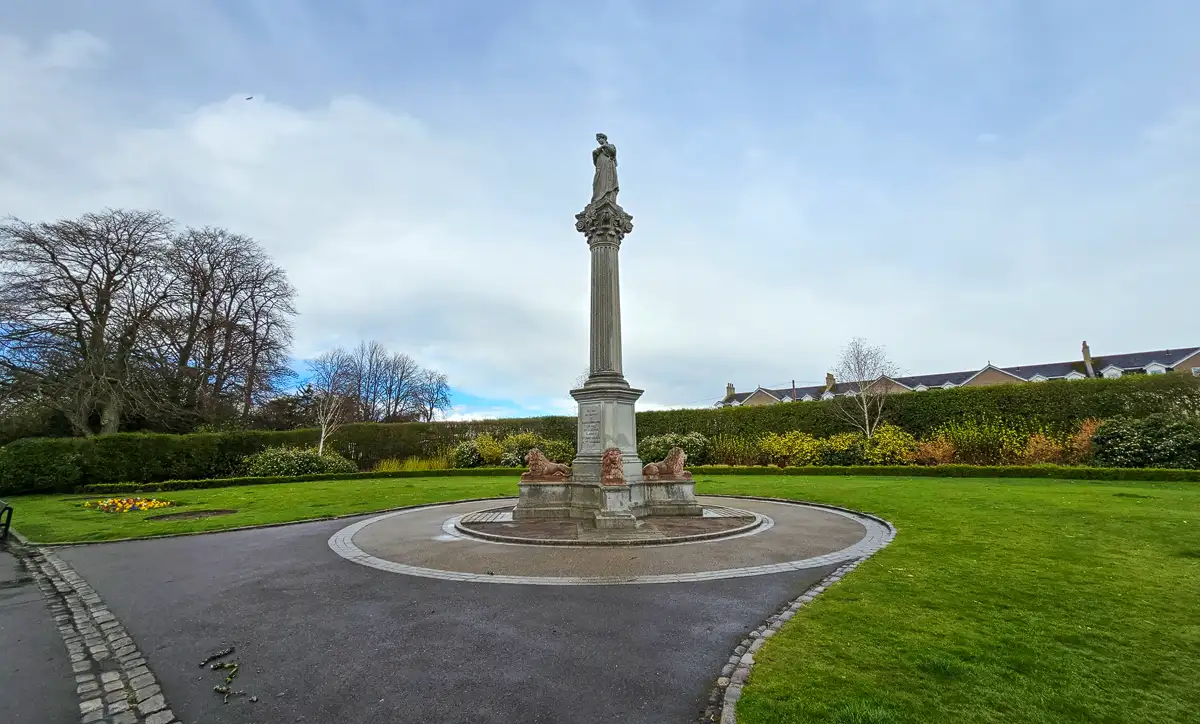
The story of these remarkable gardens is intrinsically linked to Duthie Park itself. In 1880, Miss Elizabeth Crombie Duthie of Ruthrieston, a local benefactor, purchased 44 acres of land on the banks of the River Dee for £30,000 from the Arthurseat estate. She generously gifted this land to the city of Aberdeen for the “wellbeing and recreation of Aberdeen inhabitants”, creating a lasting memorial to her uncle and brother.
The park was officially opened on 27th September 1883 by Princess Beatrice, with the landscape design created by William R McKelvie, an architect and surveyor from Dundee. The first turf was ceremonially cut by the Earl of Aberdeen and Lady Duthie in August 1881 – and the silver spade used in that ceremony is still on display in the Winter Gardens today.

The original Palm House opened in 1899, designed by Mr Rust with a frame constructed from redwood. For seventy years it housed exotic palms and plants, becoming a beloved feature of the park. However, tragedy struck in 1969 when severe gales caused catastrophic damage to the Victorian structure, necessitating its complete demolition.
Rather than simply repair the damage, Aberdeen City Council took the opportunity to create something even more ambitious. The rebuilt Winter Gardens reopened on 8th April 1970, and have been expanded and enhanced numerous times since. In 2002, the gardens were renamed the David Welch Winter Gardens to honour Aberdeen’s remarkable former Director of Parks, who had transformed the city’s green spaces during his 22-year tenure from 1967 to 1989.
Who Was David Welch?
David Welch CBE (13th December 1933 – 18th September 2000) was born in Burton Joyce, Nottinghamshire. Despite having an eye condition that limited his close-range vision, he pursued a career in horticulture, studying Parks and Recreation at the University of Reading before working his way up through various council parks departments across England.
When Welch arrived in Aberdeen in August 1967, he brought with him a bold vision. His proposal to replace plain turf with roses throughout Aberdeen’s urban environment was initially met with resistance, but proved transformative. The roses were not only beautiful but cheaper and lower-maintenance than grass, earning Welch the nickname “Mr Roses”.
Under his leadership, Aberdeen achieved such remarkable success in the Britain in Bloom competition that the rules were eventually amended to prevent entrants with two consecutive victories from winning a third time in a row. This led to an urban legend that Aberdeen had been “banned” from the competition! Welch was awarded a CBE in December 1999, and when he passed away in September 2000, the renaming of the Winter Gardens in his honour was a fitting tribute to his extraordinary legacy.
Our Visit
Arriving at Duthie Park
Janette and I arrived at Duthie Park on a bright spring morning, grateful for the sunshine but still wrapped up against the brisk Aberdeen air. The park is located to the south of Aberdeen city centre, easily accessible from the A945 or B9077. We parked in the free car park off Polmuir Road, though I’d advise arriving reasonably early – there’s a three-hour parking limit and the spaces fill up quickly, particularly at weekends.

Walking through the park towards the Winter Gardens, we passed the beautifully restored Victorian bandstand, ornamental fountains, and perfectly manicured flower beds that have earned Duthie Park its Green Flag status since 2013. The approach to the Winter Gardens reveals the modern glass entrance building, clad in Aberdeen’s characteristic granite, with “THE DAVID WELCH WINTER GARDENS” spelled out in bronze lettering across the stone wall.
Inside the Glasshouses
Stepping through the automatic doors, the temperature difference was immediately apparent – a welcome embrace of warmth after the chill outside. The Winter Gardens comprise twelve carefully curated glasshouses, each showcasing plants from different climatic zones around the world.

We began our exploration in the magnificent Temperate House, where a riot of colourful blooms greeted us. Rows of vibrant cinerarias in shades of pink, purple, blue and white lined the benches, while overhead, hanging baskets spilled cascades of orange begonias. The effect was absolutely stunning, and we spent considerable time photographing the incredible displays.

From here, winding pathways led us across charming wrought-iron bridges spanning a gentle stream. The sound of trickling water from the rockery waterfalls created a peaceful ambiance, while terrapins basked on platforms in the ponds below. We counted at least a dozen of these charming reptiles crowded onto their sunbathing spots – a favourite sight with children and adults alike.


The Tropical House transported us to a humid jungle environment, with banana trees, tree ferns, and Spanish moss creating a verdant canopy overhead. Exotic plants from South America, including orchids and ginger plants, flourished in the carefully controlled conditions. The attention to detail throughout was impressive, with informative signs explaining the origins and characteristics of different species.


The Arid House
One of the undisputed highlights of our visit was the Arid House, home to one of the largest collections of cacti and succulents in Britain – second only to the Eden Project in Cornwall. Towering columnar cacti stretched towards the glass ceiling, some specimens clearly decades old, while at ground level, barrel cacti, agaves, and countless other succulent species created a miniature desert landscape.


This is also where you’ll find Spike, the famous talking cactus who has entertained visitors since 1980. Spike has a periscope eye and speaks in either a male or female voice depending on the volunteer providing the voice that day. The character has become such a beloved local institution that Spike has even assisted in several marriage proposals over the years! We didn’t catch Spike talking during our visit, but the character is usually active at weekends.
Other Features
The Victorian Corridor provided a delightful contrast to the tropical and arid houses, with its traditional glasshouse design and rows of seasonal flowers. Walking through the Corridor of Perfumes, we were surrounded by fragrant blooms that scented the air beautifully.


We also discovered the carnivorous plant display, featuring pitcher plants and sundews in a carefully maintained bog garden setting. It’s fascinating to see these unusual plants thriving so far from their native habitats.


Outside the glasshouses, the Japanese Garden offers a peaceful outdoor space. Opened in 1987, it was designed by landscape architect Sawano as a memorial to the victims of Hiroshima and Nagasaki – a thoughtful and contemplative addition to the gardens.
The Fern House
The Fern House provided another atmospheric experience, with its collection of ancient tree ferns and delicate fronds creating a prehistoric feel. Visitors wandered across the ornamental bridges, pausing to spot koi fish in the waters below.

The Café
After thoroughly exploring the glasshouses, we stopped for refreshments at the on-site café, beautifully situated overlooking a koi pond. The café serves a range of hot and cold drinks, sandwiches, soups, and cakes. We enjoyed coffee and scones while watching the goldfish swimming lazily below – a lovely way to end our visit.

Frequently Asked Questions
How much does it cost to visit the David Welch Winter Gardens?
Entry to the David Welch Winter Gardens is completely free, as is parking in Duthie Park. This makes it an excellent value day out for families.
What are the opening times?
The Winter Gardens are open daily from 10:30am to 5pm between March and October, and from 10:30am to 4pm between November and February. The gardens are closed on Christmas Day, Boxing Day, New Year’s Day, and 2nd January.
Can I bring my dog to the Winter Gardens?
Only assistance dogs are permitted inside the Winter Gardens. However, dogs are welcome throughout the wider Duthie Park, making it a popular spot for dog walkers.
Is the venue wheelchair accessible?
Yes, the Winter Gardens are wheelchair accessible with level access throughout the main glasshouses. The pathways are smooth and well-maintained.
Are there toilet facilities?
There is an automated public convenience in Duthie Park which is available at all times. The café also has toilet facilities for customers.
Can I hold a wedding at the Winter Gardens?
Yes! The Temperate House provides a stunning and unique setting for wedding ceremonies, with capacity for up to 70 guests. Contact Aberdeen City Council for booking enquiries.
Is there parking available?
Free parking is available in Duthie Park, though spaces are limited and there is a three-hour time limit. The park can get very busy at weekends and during school holidays. Alternative parking is suggested on the Aberdeen City Council website if the main car park is full.
Key Information
- Location: Duthie Park, Polmuir Road, Aberdeen, AB11 7TH
- Grid Reference: NJ 939 046
- Managed by: Aberdeen City Council
- Entry: Free
- Parking: Free (3-hour limit)
- Facilities: Café, toilets, gift area, bike racks
- Accessibility: Wheelchair accessible
- Dogs: Assistance dogs only inside Winter Gardens; dogs welcome in park
- Website: www.aberdeencity.gov.uk/duthie-park
What Else is Nearby?
Duthie Park: The wider park surrounding the Winter Gardens is well worth exploring. Features include a restored Victorian bandstand, ornamental ponds with paddle boats and kayaks, award-winning play areas (voted best play space in Scotland), and beautiful flower gardens. The park is the starting point for the Deeside Way, a long-distance path following the old Deeside Railway line.
Aberdeen Art Gallery: Recently refurbished, Aberdeen Art Gallery houses an impressive collection including works by Monet, Eardley, and Bacon, plus Scottish artists from the Glasgow School. Located in the city centre, about 10 minutes by car from Duthie Park.
The Gordon Highlanders Museum: This fascinating museum tells the story of one of the British Army’s most famous regiments over 200 years of history. Features include a replica WW1 trench and excellent educational displays.
Footdee (Fittie): This charming 19th-century fishing village at the mouth of Aberdeen Harbour features colourful cottages arranged in squares and is one of Aberdeen’s most photogenic spots.
St Machar’s Cathedral: Located in Old Aberdeen, this ancient cathedral dates back to the 12th century and features a unique heraldic ceiling. The surrounding area of Old Aberdeen itself is wonderful to explore.
Videos of David Welch Gardens:
Here are a couple of video clips from our visit:
Final Thoughts
The David Welch Winter Gardens exceeded our expectations entirely. For a free attraction, the quality and variety of the plant collections is remarkable – genuinely rivalling much larger and more famous botanical gardens. The fact that Scotland’s third most-visited garden attraction charges no admission whatsoever is testament to Aberdeen City Council’s commitment to making these spaces accessible to all.
Whether you’re seeking shelter from the famous Aberdeen weather, looking for a peaceful spot to while away an afternoon, or genuinely interested in botany and horticulture, the Winter Gardens deliver on all fronts. The mixture of tropical, temperate, and arid environments ensures variety, while charming features like the terrapins, the koi pond, and the legendary Spike the Cactus add character and fun.
Janette and I thoroughly enjoyed our visit and would highly recommend the David Welch Winter Gardens to anyone visiting Aberdeen. Combined with a stroll around the beautiful Duthie Park, it makes for a perfect half-day excursion – and you really can’t argue with the price!



Leave a comment below