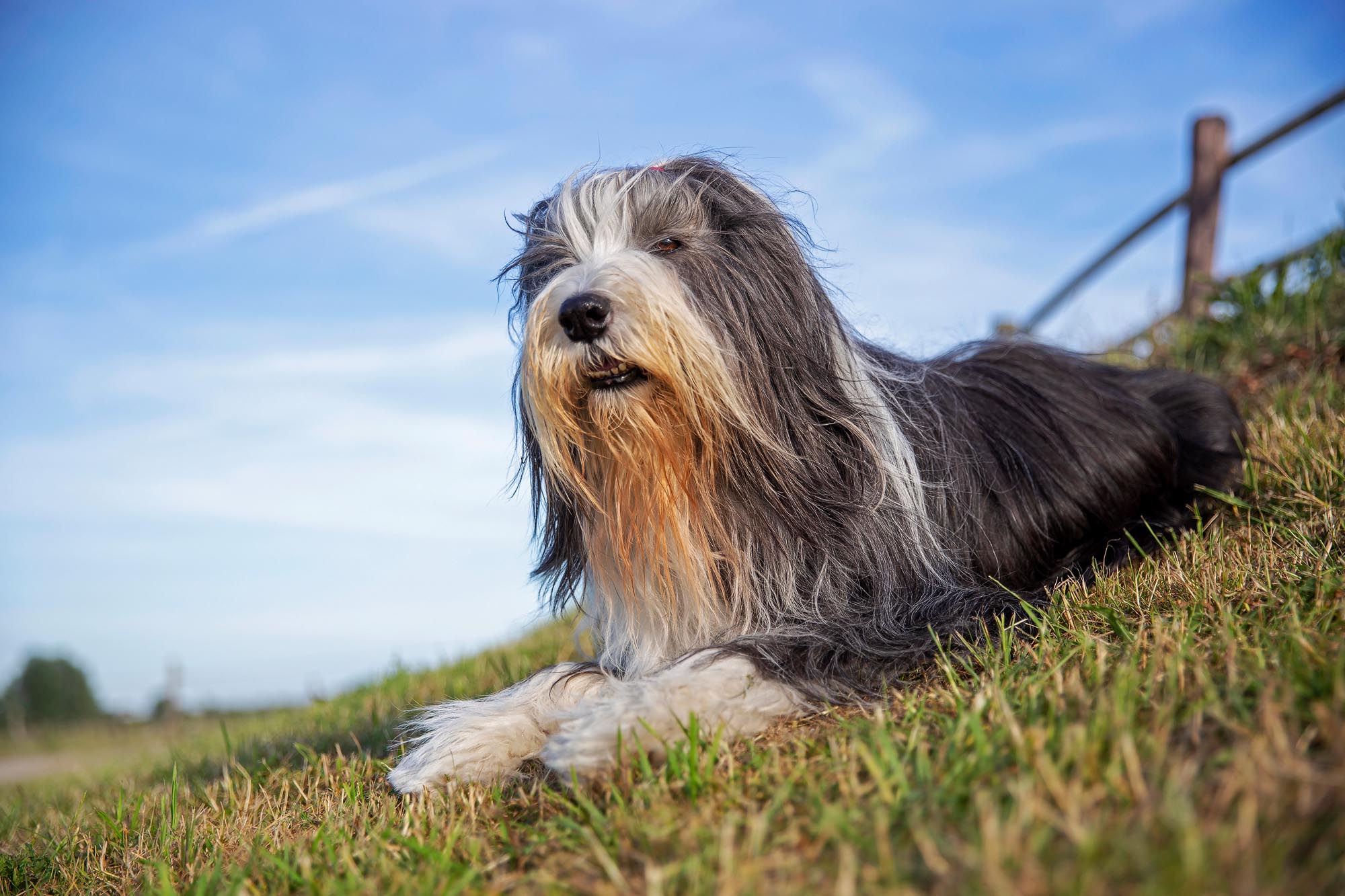
Scotland’s home-grown dog breeds are a bit like the country itself: ancient, rugged, full of character, and occasionally full of surprises.
Every breed that hails from this wild and weathered land has been shaped by it. Built to handle the cold, the hills, the heather, and the hard graft. Back in the day, Scottish dogs weren’t just pets; they were workers, hunters, herders, and guards. But make no mistake, they were also loyal companions, loved like family.
Some of the breeds in this article will be instantly familiar. You’ll have seen them trotting along pavements or perched proudly in TV adverts. Others are more obscure, hidden gems that only real dog lovers or Highland locals might know about.
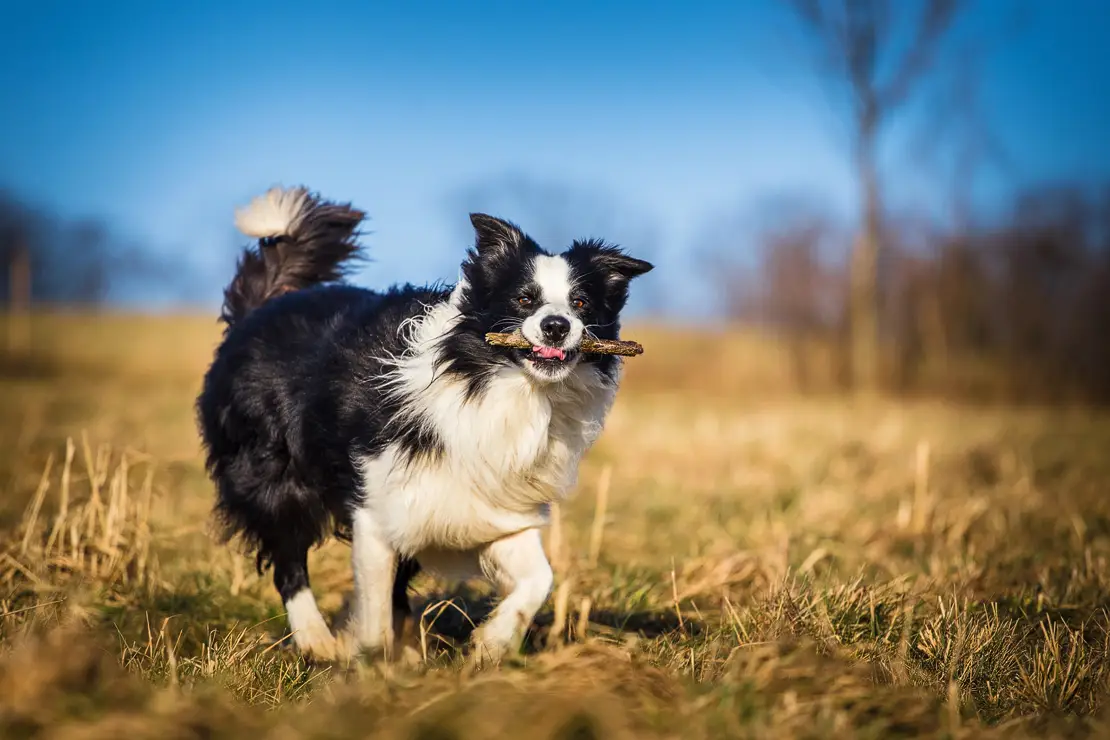
Since this site dives into all things Scottish, I really enjoyed digging into the history behind these breeds. It’s a part of our heritage that’s often overlooked, but well worth a closer look.
Feel free to jump ahead using the list below or read on and discover something new.
List of Dog Breeds from Scotland
When it comes to dogs, Scotland doesn’t mess about. Every breed from this part of the world was bred to do a job - whether it was herding sheep, hunting game, or chasing rats down holes. These dogs weren’t meant to sit around looking pretty. They were built for work, and plenty of it.
Scottish breeds tend to fall into three broad groups. You’ve got the herding dogs, the hunting dogs, and the terriers. Each one has its own personality, but they all share a certain hardy, no-nonsense attitude that suits the Scottish landscape perfectly.
Here are the fifteen breeds still going strong today:
-
The Bearded Collie, a classic herding dog with a scruffy charm.
-
The Border Collie, famously clever and full of energy, also a herder.
-
The Border Terrier, small but tough, bred to bolt foxes from their dens.
-
The Cairn Terrier, known for its scrappy spirit and working roots.
-
The Dandie Dinmont Terrier, low-slung with a big personality.
-
The Golden Retriever, originally a hunting dog and a natural swimmer.
-
The Gordon Setter, a sleek and steady bird dog with a loyal streak.
-
The Rough Collie, best known as Lassie, bred to herd and guard.
-
The Scotch Collie, similar to the Rough Collie but less refined and more rustic.
-
The Scottish Deerhound, tall and elegant, once used to hunt red deer.
-
The Scottish Terrier, often called a Scottie, bold and independent.
-
The Shetland Sheepdog, a smaller herding breed from the Shetland Isles.
-
The Skye Terrier, long and low to the ground, with a fearless nature.
-
The Smooth Collie, closely related to the Rough Collie but with shorter hair.
-
The West Highland White Terrier, or Westie, plucky and full of charm.
There were also a few Scottish breeds that didn’t make it into the modern day. These ones are sadly extinct now:
-
The Blue Paul Terrier, a muscular fighting dog once popular in Glasgow.
-
The Paisley Terrier, a silky-coated lapdog that faded out in the 19th century.
-
The Tweed Water Spaniel, a hunting dog that played a role in creating the Golden Retriever.
They may be gone, but they’ve all left their pawprints on Scotland’s canine history.
About Scottish Dog Breeds
Scottish dogs come in all shapes and sizes, from wiry wee terriers to towering deerhounds. They might look worlds apart, but they’ve got more in common than you’d think.
In the Highlands and islands especially, working dogs had to be tough. That meant a weatherproof coat to stand up to biting winds and lashing rain, a strong frame to handle rough terrain, and a brave heart to match. The kind of coat you’ll find on many Scottish breeds isn’t just for show - it’s a practical bit of kit. Whether it’s the thick, fibrous outer layer of a terrier or the long, double coat of a collie, it was designed for function first.
These dogs had to match the spirit of the people who owned them - crofters, shepherds, hunters, farmers. People who worked hard and needed dogs who could do the same.
Although Scottish breeds vary, most trace their roots back to a blend of native dogs and others brought in by traders, sailors, and even invaders. Over time, that mix was refined through careful (and sometimes accidental) breeding into the types we recognise today - mainly terriers, herders, and hunters.
It didn’t happen overnight. Selective breeding took generations, with certain dogs standing the test of time and others fading out. Some breeds, like the Border Collie, have changed very little. Others, like the Scotch Collie, nearly disappeared before being revived by a few passionate enthusiasts.
Sadly, not all made it through. Of the eighteen Scottish breeds covered here, six are now on the Kennel Club’s list of Vulnerable Native Breeds. Three are extinct. And a fourth - the Scotch Collie - came dangerously close. That means more than half are either already lost or teetering on the edge.
These dogs are part of Scotland’s living heritage - and once they’re gone, they’re gone for good.
The Hard-Working Dogs of Scotland
Scotland’s history is full of dogs - and not just the famous ones. By the late 1800s, there were thought to be over a thousand distinct varieties, including mixed breeds often known as "curs".
Terriers have been around for centuries. The word itself comes from the Latin "terraii", meaning "workers of the earth" - and that’s exactly what they were. These dogs were built to dig, chase, and root out "vermin" like foxes, rats, and badgers.
One of the earliest known references to terriers appears in a 14th-century French poem by Gace de la Vigne, which, when translated, reads:
"Go fetch him in the ground
With his good terriers
That we put in the burrows."
Terriers have been part of Scottish life for an incredibly long time. The American Kennel Club even points to a tiny carving on a farm wall in the Highlands, possibly dating back to 200 AD, showing a prick-eared, short-legged dog barking from a wheelbarrow. If that’s not pedigree, I don’t know what is.
Terriers, by nature, are a feisty bunch - independent, bold, and full of beans. Some are cuddlier than others, sure, but most are scrappy, tenacious, and not the type to back down from a challenge.
Herding dogs, on the other hand, are the thinkers. Quick on their feet, clever as anything, and always looking for a job to do. Give them space to run and a task to focus on, and they’ll thrive. In the home, they often take well to obedience training, agility work, and dog sports like flyball.
James Hogg, the Scottish poet and shepherd, said it best in 1824. In his work The Shepherd’s Calendar, he wrote:
"Without the shepherd’s dog, the whole of the open mountainous land in Scotland would not be worth sixpence. It would require more hands to manage a stock of sheep, gather them from the hills, force them into houses and folds, and drive them to markets, than the profits of the whole stock were capable of maintaining."
Hunting dogs, too, have long been part of Scottish life. Sensitive, smart, and eager to please, they’re naturally in tune with their owners and tend to work brilliantly in teams. Like the herders, they’ve likely been around for thousands of years. Some stories suggest long-haired working dogs were present in Britain as far back as 2000 BC.
The thing is, most Scottish dogs weren’t bred for looks. Farmers, crofters, and hunters needed a dog that could get the job done - nothing more, nothing less. If a dog could work hard and survive the rough conditions, it earned its place. If not, it didn’t. Breeding choices were practical, not pretty.
Records were rarely kept. What we know about many breeds comes from scraps of history - folk tales, old paintings, poems, and the occasional book or letter. Pulling together the story of each breed is like trying to untangle a box of Christmas lights... blindfolded.
Still, even the wildest legends usually spring from some kernel of truth. Where there’s smoke, there’s often fire.
As for which breed came first? That depends on who you ask. Fans of nearly every Scottish breed will insist theirs is the oldest. And honestly, after researching all this, I still haven’t found a clear answer.
But that’s part of the charm. These dogs aren’t just pets - they’re threads woven into the fabric of Scotland’s past. And their stories, however muddled or mysterious, deserve to be told.
Bearded Collie

The Bearded Collie is a true Scottish worker - bred to herd and drive livestock across tough terrain for generations of farmers, crofters, and shepherds. These shaggy-coated dogs are full of energy and heart, and they’ve been part of Scotland’s rural life for centuries.
It’s thought that Bearded Collies were already in Scotland as far back as the 1600s, and possibly even earlier in the 1500s. Despite their long history, the breed wasn’t officially recognised by the Kennel Club in Britain until 1959. They made their way to the United States in the 1950s and were formally recognised by the American Kennel Club in 1976.
Today, the Bearded Collie is one of several Scottish breeds listed on the Kennel Club’s Vulnerable Native Breeds list - a reminder that even much-loved dogs like this aren’t as common as they once were.
Quick Facts
Size: Medium. Females stand around 20 to 21 inches tall, males are slightly taller at 21 to 22 inches. Most weigh between 45 and 55 pounds.
Lifespan: Around 12 years or more.
Colours: Recognised in 17 different colours, including black, blue, brown, fawn, grey, and slate, often with beautiful mixed markings.
Temperament: Affectionate, lively, and full of bounce. They’re great with kids and usually get on well with other dogs, especially when well socialised.
Exercise Needs: Moderate to high - they thrive on regular activity and mental stimulation.
Good to Know: Bearded Collies are known for being vocal. They love a good bark and aren’t shy about using it. Their long, thick coats need daily grooming to stay healthy and tangle-free. They also need plenty of exercise and things to keep their brains busy - they’re smart and hate being bored.
Border Collie

The Border Collie is one of Scotland’s most iconic exports - a whip-smart herding dog with a striking black and white coat that’s recognised just about everywhere.
This clever breed descends from the old shepherd’s dogs of Scotland, the same ones that worked side by side with crofters and farmers to keep flocks safe across the wild and windswept hills. Their job? Guiding and protecting sheep through some of the most unforgiving landscapes in the country.
One of the most fascinating traits of the Border Collie is its unique herding style. Instead of barking or nipping at heels, they use an intense, almost hypnotic stare to guide livestock. It’s a calm but powerful gaze that seems to get the job done without a fuss.
While they’re still top dogs in herding trials and farm work, Border Collies also shine in other areas - formal obedience, agility courses, flyball, and just about any canine sport you throw at them. They live for a challenge.
The breed was officially recognised by the Kennel Club in 1976, and by the American Kennel Club in 1995.
Quick Facts
Size: Medium. Females typically stand between 18 and 21 inches tall, males between 19 and 22 inches. Weight can range from 30 to 55 pounds.
Lifespan: Around 10 to 15 years or more.
Colours: While black and white is the classic look, Border Collies come in a dazzling array of colours - up to 50 combinations according to the Kennel Club, and 21 officially listed by the AKC. You’ll see mixes of black, blue, brown, red, sable, merle, and more.
Temperament: Incredibly smart, affectionate, and bursting with energy. Border Collies are loyal, quick to learn, and absolutely thrive on mental stimulation.
Exercise Needs: Very high. These dogs need daily physical and mental challenges to stay happy and healthy.
Good to Know: Border Collies are the definition of a working dog. They’re not suited to quiet or sedentary homes. Without enough activity and engagement, they’ll get bored - and a bored Border Collie is a recipe for chaos. Their herding instincts are strong, and that means they might try to herd anything that moves - kids, cats, cyclists, you name it. But if you’re after an intelligent, driven, and endlessly rewarding companion, you won’t find better.
Border Terrier

The Border Terrier is a small dog with a big personality, bred in the rugged borderlands between Scotland and England. You might also hear it called the Coquetdale Terrier or Reedwater Terrier, depending on who you ask - but whatever the name, this is a hardy little working dog through and through.
Originally, farmers bred these dogs to help protect their flocks. Foxes were a constant threat, and the Border Terrier was perfect for chasing them down. When fox hunting became a popular sport in the 19th century, these dogs proved themselves all over again. While the hounds followed the scent, Border Terriers had the job of going underground after the fox if it tried to hide. Thanks to their slightly longer legs, they could keep up with the hunt on foot but were still small and agile enough to fit into tight spaces.
The breed was officially recognised by the Kennel Club in 1920 and by the American Kennel Club a decade later, in 1930.
Quick Facts
Size: Small. They usually stand around 12 to 15 inches tall. Females weigh between 11.5 and 14 pounds, while males tend to be a bit heavier at 13 to 15.5 pounds.
Lifespan: Typically 12 to 15 years.
Colours: Recognised in a range of shades including blue and tan, grizzle and tan, red, and wheaten. "Grizzle" means the outer coat has black-tipped hairs, while the undercoat is usually a red or tan colour.
Temperament: Lively, affectionate, and friendly. They’re usually good with children and strangers, and their coat doesn’t take too much effort to manage. But don’t be fooled by their size - they’ve got a strong prey drive and love to chase.
Exercise Needs: Moderate to high. They need daily activity, both physical and mental, to keep them content.
Good to Know: Border Terriers can be a bit stubborn, so early training helps. They’re known to chase smaller animals, including birds, squirrels, and even the odd car if they’re feeling bold. The coat doesn’t shed much, but it does need hand stripping a few times a year to keep it looking tidy.
Cairn Terrier

The Cairn Terrier might be small, but what it lacks in size it more than makes up for in attitude. This tough little character is one of the oldest of all the Scottish dog breeds, with roots going back hundreds of years in the Highlands and on the northern islands - including the Isle of Skye, which also gave rise to the Skye Terrier.
The breed gets its name from the rocky cairns dotted across the Scottish landscape. These stone piles, often used as markers or memorials, were a favourite hiding spot for rats and other pests - but not for long if there was a Cairn Terrier about. With their sharp senses and relentless drive, these dogs were experts at rooting out vermin from even the tightest spots.
Back in the day, most Scottish terriers were lumped under the name “Scotch terriers.” It wasn’t until the 1800s that breeders began to separate them into distinct types. For a while, the Cairn Terrier was even called the “Short-Haired Skye Terrier” before earning its own identity.
Despite their size, Cairn Terriers were never just lapdogs. They were brave enough to take on foxes, badgers, and even otters. Not bad for a dog you could carry under one arm.
The breed was officially recognised by the Kennel Club in 1910 and by the American Kennel Club shortly after, in 1913.
Quick Facts
Size: Small. Females stand around 9.5 inches tall, with males at about 10 inches. Weight tends to be 13 pounds for females and 14 pounds for males.
Lifespan: A long-lived little dog - usually between 13 and 17 years.
Colours: Recognised in a wide range of colours including brindle, cream, black, grey, red, and wheaten, often with interesting blends.
Temperament: Affectionate, confident, and full of personality. They’re protective, bold, and known for being a bit headstrong when they set their mind to something.
Exercise Needs: Low to moderate. A good walk and some mental stimulation will keep them happy.
Good to Know: Cairn Terriers are natural watchdogs. They’ll often bark to let you know someone’s nearby - sometimes a little more than you’d like. They can be wary of strangers but are deeply loyal to their families. Grooming is easy compared to many other breeds, and their tough coat doesn’t need too much fuss.
Dandie Dinmont Terrier

The Dandie Dinmont Terrier is, quite possibly, the most charming little dog you’ve never met. It's the rarest of all the Scottish breeds, and also one of the earliest to be recognised as a distinct breed, with records going back to the early 1700s.
This low-slung, long-bodied terrier hails from the hilly border country between Scotland and England. Like other Scottish terriers, it was bred for a tough job - hunting down rats and other vermin in rugged terrain. But the Dandie’s story has something most working dogs don’t: a dash of literary fame.
The breed owes its rather fancy name to none other than Sir Walter Scott. In the early 19th century, Scott encountered the breed and was instantly taken by it. So much so, he featured a version of the dog in his 1815 novel Guy Mannering. The fictional farmer in the story was called Dandie Dinmont, and he owned six terriers named for their distinctive coat colours - Mustard and Pepper. The public loved the book, and soon people began calling the real-life version of the dog the Dandie Dinmont. The name stuck, and the breed’s identity was born.
Sadly, despite this burst of fame, the Dandie Dinmont never really caught on with the masses. Even now, it’s one of the UK’s most endangered native breeds. It’s on the Kennel Club’s Vulnerable Native Breeds list, with numbers worryingly low. It was officially recognised by the American Kennel Club back in 1886, but oddly enough, the exact date the British Kennel Club recognised it is a bit of a mystery.
Personally, I grew quite fond of this unique little dog the more I read about it. It would be a real shame to lose such a special part of Scottish canine history.
Quick Facts
Size: Small. Stands about 8 to 11 inches tall, and usually weighs between 18 and 24 pounds.
Lifespan: Around 12 to 15 years.
Colours: Just two - mustard and pepper. Mustard ranges from fawn to reddish brown, while pepper can be anything from dark blue-black to silvery grey.
Temperament: Friendly, gentle, and affectionate. Loyal to their people and alert enough to make a good little watchdog. They’re generally easy to train and love a bit of attention.
Exercise Needs: Low to moderate. They enjoy walks and play, but they’re not overly demanding.
Good to Know: Dandies love to dig. If you’ve got a garden, don’t be surprised to find a crater or two. They can also be a bit headstrong at times, but their sweet, expressive faces make it very hard to stay cross with them for long. Their coat doesn’t shed much, and regular grooming keeps it in good shape.
Golden Retriever

The Golden Retriever is one of Scotland’s most famous four-legged exports - and one of the most beloved dog breeds across the globe. Friendly, intelligent, and ridiculously photogenic, it’s no wonder the Golden has fans in every corner of the world.
This breed was first developed in the Scottish Highlands (Guisachan House) during the 19th century. The goal? To create the perfect gundog - one that could retrieve shot game from both land and water with a soft mouth and a reliable temperament. To get there, breeders combined the now-extinct Tweed Water Spaniel with the wavy-coated retriever, and possibly a few other breeds along the way.
The result was a dog that wasn’t just a capable working companion, but one that charmed everyone it met. Strong, athletic, and eager to please, the Golden Retriever quickly earned a place not only in the field but also in the heart of the family.
The breed was officially recognised by the Kennel Club in 1913 and by the American Kennel Club in 1925.
Quick Facts
Size: Large. Females typically stand between 21.5 and 22.5 inches tall, with males between 23 and 24 inches. Weight ranges from 55 to 65 pounds for females, and 65 to 75 pounds for males.
Lifespan: Around 10 to 12 years.
Colours: Recognised in shades of cream, gold, and golden by the Kennel Club. The American Kennel Club lists golden, light golden, and dark golden.
Temperament: Gentle, affectionate, and full of joy. Golden Retrievers are known for their friendly nature - they usually get along brilliantly with children, strangers, and other dogs. They’re clever and easy to train, making them ideal for families, therapy work, and assistance roles.
Exercise Needs: Moderate to high. They love being outdoors, playing games, and, of course, swimming.
Good to Know: Golden Retrievers shed - a lot. Their thick, double coat needs regular brushing to stay under control. They’re not typically barky or territorial, and they aren’t great guard dogs. What they really want is to be part of the action, whether that’s a long countryside walk or a lazy day on the sofa. They thrive on mental stimulation and plenty of company, so they’re not the best choice for households where they’ll be left alone for long stretches.
Gordon Setter

Setters are bird dogs by nature - bred to find and point out game birds like pheasant, partridge, and grouse for their hunting partners. And when it comes to Scottish setters, the Gordon is the heavyweight champion of the group.
The Gordon Setter has deep roots in Scotland, likely used from as early as the 1500s to hunt in the rocky hills and glens. The breed as we know it today was refined and developed at Gordon Castle in the late 18th and early 19th century by Alexander, the fourth Duke of Gordon. He had a passion for breeding strong, reliable bird dogs, and his line of “black and tan setters” became so well recognised that the breed was eventually named in his honour.
The Gordon Setter is the largest of all the setters - strong, athletic, and full of enthusiasm. Their glossy black and tan coat is not only stunning but also instantly recognisable. These dogs love to move, work, and be part of whatever’s going on. Despite their size and energy, they’re also affectionate, loyal, and great company.
They were officially recognised by the Kennel Club as the Gordon Setter in 1924, though before that they were known as the Black and Tan Setter, which had been listed as a breed since 1872. The American Kennel Club first recognised them as the Gordon Castle Setter in 1884, later simplifying the name to Gordon Setter in 1893.
Today, the breed is on the Kennel Club’s Vulnerable Native Breeds list - a reminder that even strong, capable breeds can quietly slip out of popularity.
Quick Facts
Size: Large. Males and females generally stand between 23 and 26 inches tall. Females weigh around 45 to 70 pounds, with males ranging from 55 to 80 pounds.
Lifespan: Around 12 to 13 years.
Colour: Just one - the classic black and tan.
Temperament: Bold, affectionate, and fiercely loyal. They’re adaptable and intelligent, with a protective streak and a strong work ethic.
Exercise Needs: High. These dogs need lots of space, plenty of walks, and tasks to keep their minds engaged.
Good to Know: Gordon Setters can be a bit drooly, and their bouncy energy means they need to be taught how to behave around small children or elderly family members. But they adore their people and will stick by your side through thick and thin. With the right training and enough activity, they make brilliant, devoted companions.
Rough Collie

If the name doesn’t ring a bell, saying “Lassie” probably will. The Rough Collie shot to fame thanks to the classic TV and film dog, and ever since, it’s been one of the most recognisable breeds in the world. But long before the bright lights of Hollywood, this elegant herding dog was working the hills of Scotland.
The Rough Collie traces its roots back to the 18th and 19th centuries, where it developed from the broad pool of herding dogs used across rural Scotland. For a time, it was simply called the Scotch Collie. Later, towards the end of the 1800s, selective breeding shaped the breed into what we now recognise as the modern Rough Collie - giving it a longer face, a more dramatic coat, and a refined overall appearance. The working stocky farm dog evolved into a more graceful, show-ready version, though it kept its bright mind and gentle nature.
Beneath the lush coat and noble look, the Rough Collie is still a herder at heart. They're intelligent, friendly, and full of energy. They make brilliant family dogs - great with children and generally good with other pets - though they can be a bit reserved around strangers. Give them a task or some positive attention and they’ll be in their element.
The Kennel Club recognises the Rough Collie and the Smooth Collie as two separate breeds. Both were officially recognised in 1895, while the American Kennel Club had already registered them under a shared breed name, Collie, in 1885.
Quick Facts
Size: Medium. Females typically stand 22 to 24 inches tall, males slightly larger at 24 to 26 inches. Weight ranges from 50 to 65 pounds for females and 60 to 75 pounds for males.
Lifespan: Usually around 12 to 14 years.
Colours: The Kennel Club recognises three colours - Blue Merle, Tricolour, and Sable and White. The AKC lists a wider range, including combinations of black, white, tan, sable, and merle.
Temperament: Clever, gentle, and good-natured. They’re quick learners and love being part of the family. Great with kids, playful, and alert.
Exercise Needs: Moderate to high. They enjoy walks, games, and mentally stimulating tasks.
Good to Know: Rough Collies are natural herders, which sometimes means trying to herd smaller animals - or even children. They’re also known to be vocal and can bark a fair bit if not kept occupied. Their long double coat needs daily brushing to stay tangle-free, and regular visits to the groomer will help keep them in top shape.
Scotch Collie

The Scotch Collie is a bit of an oddity among Scottish dog breeds - it’s both an old breed and, in a way, a new one. Sounds confusing? Let’s clear that up.
A few hundred years ago, Scotland’s hills and farms were full of hardy, clever, collie-type dogs. These were the original Scotch Collies - working dogs bred for herding, guarding, and doing just about everything else a crofter might need. Over time, selective breeding led to the development of the Rough Collie, the Smooth Collie, the Bearded Collie, and the Border Collie - all of them descendants of that original Scottish stock.
But as these newer types became more refined, the original Scotch Collie began to fade into the background. By the early 1900s, it had almost vanished entirely. There was some effort to revive it in Britain, but the movement never really took off.
Across the Atlantic, though, a few breeders in the United States had taken notice. They saw the value in preserving the classic Scotch Collie - the loyal, farm-ready all-rounder - and began the work of bringing it back. Thanks to their dedication, the breed was eventually recreated and given a new-old name: the Old-Time Scotch Collie.
While it hasn’t been recognised by the Kennel Club or the AKC just yet, the Old-Time Scotch Collie has found a loyal following and is steadily regaining ground as both a capable working dog and a devoted family companion.
Quick Facts
Size: Medium. According to the Old-Time Scotch Collie Association, females typically stand between 17 and 23 inches tall, males between 19 and 25 inches. Weight ranges from 32 to 70 pounds for females and 35 to 80 pounds for males.
Lifespan: Around 12 years or more.
Colours: All traditional Collie colours are allowed - including sable, black and white, tricolour, and blue merle. White markings are permitted in all the usual places.
Temperament: Intelligent, obedient, and loyal. These dogs are confident without being aggressive, and their affectionate nature makes them ideal family pets.
Exercise Needs: Moderate to high. They enjoy having a job to do and thrive when mentally and physically engaged.
Good to Know: The Scotch Collie has always been a true all-rounder - loyal, capable, and full of character. With a steady temperament and a strong work ethic, it fits well into both working homes and active family life. Just be prepared for regular grooming, thanks to that lovely double coat, and make sure they’ve got enough to keep them busy - they don’t like being bored.
Scottish Deerhound

The Scottish Deerhound - also known as the Royal Dog of Scotland and once referred to as the Scottish Wolfdog - is one of the most ancient breeds in the world. It’s a dog with history in its bones.
This noble hound likely lived alongside the Picts and Gaels long before Scotland officially became the Kingdom of Alba in the 9th century. Some evidence even points to its ancestors roaming around as early as the 1st century. In its earliest days, the breed was used to hunt wolves. Later on, it became the go-to dog for stalking red deer across Scotland’s rugged highlands.
Big, long-legged, and built for speed, these rough-coated hounds were sometimes nicknamed the Scottish Greyhound, Rough Greyhound, or Highland Deerhound. Their slim, graceful build gave them the speed they needed to chase down prey, while their calm, loyal temperament made them a favourite among Scottish nobility.
Like many traditional breeds, the Scottish Deerhound almost disappeared at one point. In the 1700s, Highland chieftains placed strict limits on who could own or breed these dogs, and numbers plummeted. Thankfully, the breed survived - but just barely. Today, it’s listed on the Kennel Club’s Vulnerable Native Breeds list, with numbers still far lower than they should be.
The breed was recognised by the American Kennel Club all the way back in 1886.
Quick Facts
Size: Large. Females typically stand at least 28 inches tall, with males reaching between 30 and 32 inches. Weight ranges from 75 to 95 pounds for females and 85 to 110 pounds for males.
Lifespan: Usually around 8 to 11 years.
Colours: The Kennel Club recognises eight colour options, including various blends of black, blue, grey, brown, and brindle. The AKC recognises just four: brindle, grey, grey brindle, and blue grey.
Temperament: Incredibly gentle, calm, and affectionate. They’re usually great with other dogs and tend to be polite with strangers. They’re not overly protective or dominant, and they respond well to gentle training.
Exercise Needs: Moderate to high. They enjoy regular walks and open space, but they’re not high-energy all day long.
Good to Know: Deerhounds are lightning-fast runners with a strong chase instinct, so letting them off lead in open public spaces isn’t recommended. They’re also known for being quiet - they rarely bark unless they have a good reason. Despite their size, they’re easy to groom and don’t need much in the way of coat maintenance.
Scottish Terrier

Often affectionately known as the Scottie, the Scottish Terrier is one of Scotland’s oldest and most iconic dog breeds. Originally called the Aberdeen Terrier or Scots Terrier, this feisty little dog was bred for a serious job - chasing down rodents and larger pests like badgers and foxes.
Back in 1675, a group of terriers owned by the first Earl of Dunbar earned the nickname The Diehard Pack thanks to their fearless nature. That nickname stuck, and honestly, it still fits. Scotties are known for their boldness, independence, and stubborn streak. They might be small, but they’ve got the heart of a lion.
Unlike many native Scottish breeds, the Scottie has never really faded from the spotlight. Though you might not see them on every street corner, they’ve kept a steady fan base over the years and are not on the Kennel Club’s Vulnerable Native Breeds list - a rare achievement for an old Scottish dog.
The breed was recognised by the American Kennel Club way back in 1885.
Quick Facts
Size: Small. Both males and females stand around 10 inches tall. Females typically weigh between 18 and 21 pounds, while males weigh slightly more - around 19 to 22 pounds.
Lifespan: Generally 12 years or more.
Colours: Recognised in black, black brindle, brindle, and wheaten by the Kennel Club. The AKC also includes red brindle and silver brindle in its list.
Temperament: Affectionate, loyal, and full of character. Scotties are playful with family, but they can be a bit reserved with strangers. They're also fiercely protective of their home and pack.
Exercise Needs: Moderate. A decent daily walk and some mental stimulation will do nicely.
Good to Know: Scottish Terriers have a mind of their own and can be a little headstrong. They also love a good bark and might not be the best fit for homes with small pets, as their hunting instinct is still very much alive. Their wiry coat needs daily brushing and occasional professional grooming to stay in shape.
Shetland Sheepdog

Also known as the Sheltie - and once fondly called Toonie Dogs - the Shetland Sheepdog comes from the wild and windswept Shetland Isles, perched off Scotland’s northern coast. It may look like a mini Rough Collie, and in many ways, it is. But the Sheltie has a distinct identity all its own.
The Shetlands are known for producing smaller, hardier versions of familiar mainland animals. That’s down to the harsh climate, limited food supply, and centuries of careful breeding. The Sheltie fits this mould perfectly - compact, clever, and more than capable of herding sheep across rocky, exposed landscapes.
As well as being valued workers, Shelties earned their keep as loving little companions. Their size made them ideal lap dogs and even handier foot warmers during long island winters.
Their stunning coat likely has roots in both local Collie types and Scandinavian spitz breeds, brought over by seafarers long ago. Over time, selective breeding shaped the Sheltie into a graceful, fluffy dog that performs just as well in the show ring as it does on the farm.
With a sharp mind, sweet nature, and gorgeous looks, it’s no wonder the Sheltie is one of Scotland’s most popular native breeds. They’re brilliant family dogs, especially in homes that appreciate a smart dog with a bit of bounce.
The breed was recognised by the Kennel Club in 1909 and by the American Kennel Club two years later, in 1911.
Quick Facts
Size: Small. Males and females generally stand between 13 and 16 inches tall and weigh between 15 and 25 pounds.
Lifespan: Around 12 to 14 years.
Colours: The Kennel Club recognises nine colour combinations, including black and tan, black and white, blue merle, sable, and tricolour. The AKC lists six colour combos built from black, white, tan, sable, and blue merle.
Temperament: Affectionate, playful, and highly intelligent. Shelties are great with children and usually get along well with other dogs, though they can be wary of strangers. They’re eager to please, easy to train, and naturally protective - often making excellent little watchdogs.
Exercise Needs: Moderate to high. These dogs thrive with daily walks, mental challenges, and a bit of fun.
Good to Know: Shelties are classic herders at heart, and like many working breeds, they can be barky - sometimes very barky. Their thick coat needs regular brushing to stay healthy and tangle-free, ideally every day.
Skye Terrier

The Skye Terrier is a small dog with a big presence, hailing from the windswept Isle of Skye in Scotland’s Inner Hebrides. Like many island breeds, it was built to be tough - strong-bodied, fearless, and ready for whatever the harsh landscape threw at it.
Originally, these little dogs worked alongside larger herding breeds to protect flocks from predators. While the bigger dogs chased threats across open ground, Skye Terriers were sent into the undergrowth - burrows, rock piles, and tight spaces - to root out whatever was hiding. They were the no-nonsense pest control of the Highlands.
One of the more intriguing parts of the breed’s history is the theory that Viking dogs may have played a role in its development. When Norse seafarers arrived on the island, they likely brought their own spitz-type breeds with them - dogs like the Swedish Vallhund, which shares a similar shape and ear set. As with most old Scottish breeds, exact origins are a bit murky, but it’s fun to imagine the influence of Viking stock in the mix.
If the name Greyfriars Bobby rings a bell, that’s because the famous little dog who famously sat by his master’s grave in Edinburgh was a Skye Terrier. His statue still stands just across from Greyfriars Kirkyard - a tribute to loyalty that’s become part of Edinburgh’s folklore.
The Skye Terrier was also a favourite of royalty. Mary, Queen of Scots had one tucked under her skirts during her execution, and Queen Victoria kept several during her reign, helping the breed rise to popularity in the 19th century. But despite its royal connections, numbers have fallen drastically in modern times. Today, the Skye Terrier is listed on the Kennel Club’s Vulnerable Native Breeds list.
The breed was recognised by the American Kennel Club in 1887.
Quick Facts
Size: Small. Males stand around 10 inches tall, females slightly shorter at 9.5 inches. Males typically weigh between 35 and 45 pounds, with females being a bit lighter.
Lifespan: Around 12 to 14 years.
Colours: The Kennel Club recognises a variety of shades, including black, cream, grey, and silver, as well as combinations of these.
Temperament: Deeply loyal, affectionate, and brave. When well socialised, they’re great with children and other dogs, but they can be wary of strangers.
Exercise Needs: Moderate. Daily walks and some playtime will keep them happy.
Good to Know: Skye Terriers have strong personalities. They can be independent and a bit headstrong, so early socialisation and consistent training are key. They also tend to chase smaller animals, so cats and other pets might need time to adjust. With the right environment and a bit of patience, though, they’re loving, devoted companions.
Smooth Collie

The Smooth Collie shares the same proud roots as its more famously fluffy sibling, the Rough Collie. Both descended from the old herding dogs of Scotland, and for most of their history, they were considered one and the same.
It wasn’t until the late 1800s that the two began to diverge, thanks to selective breeding - and possibly a dash of greyhound influence - which created two distinct coat types. The Rough Collie got the long, flowing glamour, while the Smooth Collie kept things practical with a shorter, dense coat. But underneath, they’re still very much the same smart, loyal, working dog.
Queen Victoria had a well-known love of Scottish breeds, and it’s said that one of her favourites was a Smooth Collie named Sharp. This royal approval helped raise the breed’s profile for a time.
Until 1994, the Kennel Club still classified the Rough and Smooth Collies as a single breed. Only then were they officially split into two separate breeds in the UK. Across the pond, however, the American Kennel Club still treats them as one, using a shared standard that only differs when it comes to coat requirements.
Despite its easy-care coat and wonderful temperament, the Smooth Collie has always seemed to live in the shadow of the Rough Collie - likely due to the latter’s show-stopping looks. Sadly, Smooth Collies are now listed on the Kennel Club’s Vulnerable Native Breeds list.
The AKC first recognised the breed back in 1885 - simply as the Collie.
Quick Facts
Size: Medium. Females usually stand between 22 and 24 inches tall, while males range from 24 to 26 inches. Females weigh around 50 to 65 pounds, and males come in at 60 to 75 pounds.
Lifespan: Around 12 to 14 years.
Colours: The Kennel Club recognises three main colours: blue merle, sable and white, and tricolour. The AKC includes a few more variations, including combinations of black, blue, brown, fawn, grey, and slate.
Temperament: Gentle, affectionate, and full of character. Smooth Collies are incredibly smart, eager to please, easy to train, and brilliant with children. They’re active, playful, and make excellent family companions.
Exercise Needs: Moderate to high. They love to be out and about, and benefit from both physical activity and mental stimulation.
Good to Know: One of the big advantages of the Smooth Collie is its lower grooming needs. A weekly brush is often enough to keep the coat in good shape. Like all herding breeds, they do best in homes where they can stay active and feel involved. A great match for families who enjoy walks, play, and outdoor adventures.
West Highland White Terrier

The West Highland White Terrier - or Westie, as it’s affectionately known - might be small in size, but it’s one of the best-known and most loved of all the Scottish terriers. With its snowy coat, bright eyes, and bold little stride, the Westie is full of character and charm.
As with many old Scottish breeds, this dog has worn a few names over the years. You might have heard it called the Poltalloch Terrier, the Roseneath Terrier, the White Scottish Terrier, or even the White Cairn Terrier. It wasn’t until the early 1900s that the breed settled into the name we know today.
All Scottish terriers originally came from a rough and ready group of working dogs known as “earth dogs” - small, tough hunters bred to chase down rats, badgers, foxes, and anything else that scurried into a hole. Over time, and through careful breeding, these dogs began to split into distinct breeds. Some stayed rare. A few faded into history. But the Westie found its place and has never really left the spotlight.
Bright, bouncy, and full of personality, the West Highland White Terrier is one of the most enduringly popular Scottish breeds - not just in the UK, but worldwide.
The breed was officially recognised by the Kennel Club in 1907, and by the American Kennel Club a year later in 1908.
Quick Facts
Size: Small. Females typically stand around 10 inches tall, and males about 11 inches. Both usually weigh between 15 and 20 pounds.
Lifespan: Around 13 to 15 years.
Colour: True to its name, the Westie comes in just one colour - pure white - recognised by both the Kennel Club and the AKC.
Temperament: Tough, confident, and full of spirit. Westies are affectionate with their people, playful, friendly, and fearless. They’ve got that classic terrier independence, mixed with enough charm to get away with just about anything.
Exercise Needs: Moderate to high. They enjoy being active and need regular walks and mental stimulation.
Good to Know: Westies are known for being vocal. They’re alert little watchdogs and not shy about letting you know what’s going on outside. Like most terriers, they can be stubborn and single-minded - especially when chasing anything that runs. They’re generally good with kids and people, but can be a bit selective about other dogs.
Extinct Scottish Dog Breeds
Scotland's native dogs have been around for centuries - some can even trace their roots back to the first century. So it’s no great shock that a few haven’t made it all the way into the modern age. Still, there’s something a bit sad about knowing they’ve vanished, their pawprints now only found in old drawings, dusty texts, or whispers of shared bloodlines in today’s dogs.
Let’s take a look at three of Scotland’s lost breeds - each with its own story, however brief or mysterious.
Blue Paul Terrier

Of all the Scottish dog breeds, the Blue Paul Terrier is probably the most elusive. Also known as the Blue Poll or Poll Terrier, this dog’s history is especially hazy - and that’s saying something for a country where even the best-documented breeds are shrouded in myth and guesswork.
The Blue Paul showed up in the 1800s and disappeared not long after, vanishing by the mid-1900s. Its short time on the scene may explain why so little is known about it. Unlike most Scottish terriers, it wasn’t a working dog bred for hunting rats or guarding crofts - it was bred to fight. With a build and temperament better suited to the ring than the field, it stood apart from other native terriers, both in appearance and in purpose.
Some accounts suggest it was muscular and smooth-coated, more like a bulldog than a scrappy farm terrier. Whatever its exact origins, the Blue Paul Terrier is now little more than a footnote in Scottish canine history - but an intriguing one nonetheless.
Paisley Terrier

The Paisley Terrier - also known as the Clydesdale Terrier or Glasgow Terrier - was a dainty little dog with a silky coat and a very short time in the spotlight. It hailed from the Scottish Lowlands, particularly around Paisley, and showed up in the late 1800s.
Physically, it was almost identical to the Skye Terrier - which is where things get murky. Was the Paisley its own breed, or just a slightly refined version of the Skye? Some historians think it was a transitional step between the Skye Terrier and the Yorkshire Terrier. Others argue it was a true breed in its own right.
What’s clear is that Paisley Terriers were very real, and they were recognised - at least informally - during the late 19th and early 20th centuries. They were bred mainly as companion dogs and lap warmers, often favoured in urban households. But they quietly slipped away during the first half of the 20th century, likely disappearing altogether by the end of World War II.
Tweed Water Spaniel

The Tweed Water Spaniel - sometimes referred to as the Ladykirk Spaniel - was a strong, smart, and tireless dog that worked the rivers and shores of the Scottish Borders during the 1800s. These curly-coated brown dogs lived and worked alongside fishermen along the River Tweed and the Berwickshire coast, retrieving fish, gear, and game from the water with remarkable endurance and skill.
Despite the “spaniel” in the name, the Tweed looked more like an early retriever. It had the sturdy build, webbed feet, and water-resistant coat that made it ideal for working in wet and often dangerous conditions.
The breed may be gone, but it left behind something remarkable - the Golden Retriever. It’s widely believed that the Tweed Water Spaniel played a key role in the development of that now world-famous breed. So, in a way, it lives on - even if its name has faded from most people’s memory.
Like so many working breeds of the past, the Tweed Water Spaniel quietly vanished in the early 20th century, its purpose replaced and its lines absorbed into others.
While these dogs may no longer walk among us, their stories still deserve to be told. Whether they laid the groundwork for modern favourites or simply served their people well during their time, they’re part of Scotland’s deep and diverse canine history - and that’s worth remembering.
Is the Bloodhound a Scottish breed?
You’ll often see the Bloodhound popping up on lists of Scottish dog breeds, but that’s not strictly accurate. While it’s true they’ve been bred in Scotland over the years, their roots lie elsewhere. Most historians trace the Bloodhound back to around AD 1000, where they were developed in a monastery in what is now Belgium - possibly even parts of France. So although they’ve worked in Scotland and earned their place alongside Scottish hunters, they’re not native to the country.
Conclusion
Scotland has given us some truly remarkable dog breeds - shaped by work, weather, and the people who needed them. Some have become household names, others are at risk of disappearing, and a few have already been lost to time.
Whether herding, hunting, or simply keeping their owners' company, these breeds are part of the country’s living heritage. They deserve to be remembered, protected, and appreciated for exactly what they are: capable, characterful dogs with deep roots in Scottish soil.
All information was correct at the time of writing, please check things like entry costs and opening times before you arrive.



Leave a comment below